

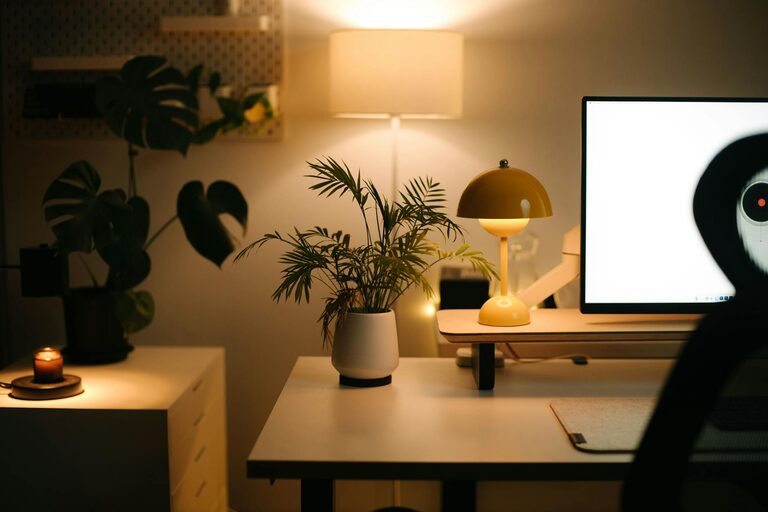
Creating a home office that balances comfort and productivity is essential for anyone working remotely or spending significant time at home. A well-designed space can boost your focus, reduce stress, and make your workday more enjoyable. Whether you have a dedicated room or a small corner, these tips will help you create a home office that feels inviting and supports your best work.
1. Choose the Right Location
Finding the best spot for your home office is the first step. Here’s what to consider:
– Natural Light: Select a space near a window to benefit from natural light, which can improve mood and reduce eye strain.
– Minimal Distractions: Pick a quiet area away from high-traffic zones to help maintain focus.
– Space Requirements: Ensure there’s enough room for your desk, chair, and any necessary office equipment.
2. Invest in Comfortable Furniture
Comfort is key to staying productive throughout the day:
– Ergonomic Chair: Choose a chair that supports your back and encourages good posture.
– Appropriate Desk: Select a desk at the right height with enough surface area for your computer, notepads, and other work materials.
– Adjustable Options: If possible, consider a sit-stand desk to switch between sitting and standing during the day.
3. Optimize Your Lighting
Good lighting prevents eye strain and keeps the atmosphere uplifting:
– Layered Lighting: Combine ambient lighting (overhead lights), task lighting (desk lamp), and natural light.
– Warm Bulbs: Use warm-toned bulbs to create a cozy environment, especially if you work in the evenings.
– Adjustability: Opt for lamps with adjustable brightness or direction to control light based on your needs.
4. Keep Your Workspace Organized
Clutter can negatively affect concentration. Use these organizing strategies:
– Storage Solutions: Utilize shelves, drawers, or baskets to keep supplies tidy.
– Cable Management: Use clips or sleeves to prevent cords from tangling.
– Essential Items Only: Keep your desk clear of non-essential items to maintain focus.
5. Personalize Your Space
Adding personal touches can make your office feel more inviting:
– Decor: Hang artwork, add plants, or display meaningful objects.
– Color Choices: Use calming colors like soft blues or greens that promote concentration and relaxation.
– Comfortable Textiles: Incorporate a cozy rug or cushions for added warmth.
6. Manage Noise Levels
Sound can greatly impact productivity:
– Noise-Cancelling Headphones: Great for blocking distractions, especially in shared homes.
– Soft Furnishings: Rugs, curtains, and upholstered furniture can absorb sound.
– White Noise Machine: Consider a white noise machine or app to mask background sounds.
7. Set Clear Boundaries
Separating work time from personal time helps maintain a healthy work-life balance:
– Defined Workspace: Keep work materials within your office area.
– Visible Boundaries: Use a room divider or curtains if your workspace is in a shared area.
– Routine: Establish regular working hours to signal the start and end of your workday.
8. Include Functional Technology
Ensure your technology setup supports your tasks efficiently:
– Reliable Internet: A strong Wi-Fi connection minimizes interruptions.
– Quality Equipment: Invest in a good monitor, keyboard, and mouse to improve comfort and effectiveness.
– Backup Solutions: Keep backup storage or cloud services to protect your work.
9. Incorporate Movement Breaks
To stay healthy and alert:
– Stretching: Schedule short stretch breaks every hour.
– Movement Tools: Add a small balance ball or footrest to encourage subtle movement.
– Walks: Step outside during breaks to refresh your mind.
—
Creating a cozy and productive home office doesn’t require a complete overhaul. Small thoughtful changes can make all the difference in how you feel and perform at work. Focus on comfort, organization, and personalization to craft a workspace that inspires your best work every day.