

Creating a home office that balances comfort and functionality can make a big difference in your daily productivity and overall well-being. Whether you work remotely full-time or occasionally need a quiet space for tasks, designing a cozy and efficient home office helps you stay focused and motivated.
In this post, we’ll explore practical tips to transform any corner of your home into an inviting workspace that supports your work habits and keeps you comfortable throughout the day.
Choose the Right Location
Selecting the right spot for your home office is essential. Ideally, find a quiet area with minimal distractions where you can separate work from your personal life.
– Natural light: Choose a space with plenty of natural light, such as near a window, to reduce eye strain and boost mood.
– Privacy: If possible, use a room with a door or create a partition to limit interruptions.
– Space: Ensure you have enough room for your desk, chair, and any storage or equipment you need.
Invest in Comfortable, Supportive Furniture
Comfort is key to maintaining focus and avoiding strain during long work hours.
– Ergonomic chair: Use a chair that supports your posture with adjustable height, backrest, and armrests.
– Proper desk: Choose a desk at the right height for your body, with enough surface area for your computer and accessories.
– Additional seating: If space allows, add a small lounge chair or cushion for breaks or phone calls.
Organize for Efficiency
Clutter can reduce both comfort and productivity. A well-organized office makes it easy to find supplies and keeps you focused.
Declutter Regularly
Set aside a few minutes each day to tidy your workspace and remove unnecessary items.
Use Storage Solutions
– Shelves and cabinets: Store books, files, and equipment out of sight.
– Desk organizers: Keep smaller items like pens, paper clips, and chargers neatly arranged.
– Cable management: Use clips or sleeves to prevent cords from tangling.
Personalize Your Space to Feel Cozy
Adding personal touches can make your workspace more inviting and help you enjoy your time there.
– Colors: Choose calming colors like soft blues, greens, or neutrals for walls or accessories.
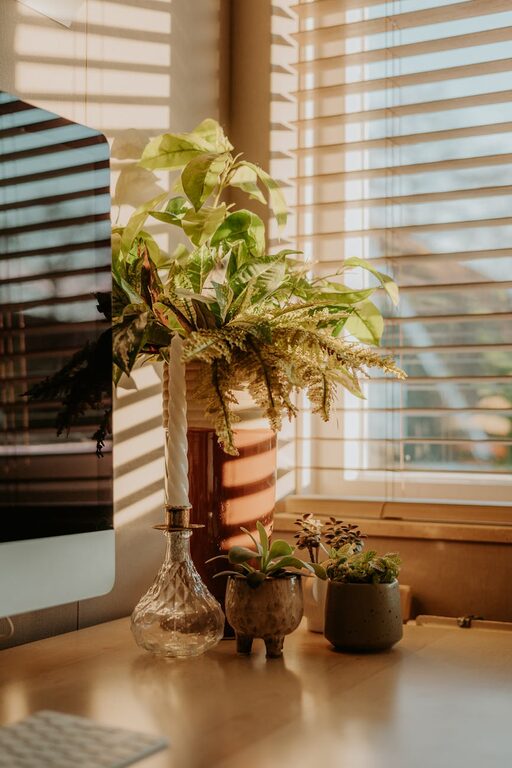
– Plants: Incorporate a few indoor plants to improve air quality and add a touch of nature.
– Artwork and photos: Display inspirational artwork or meaningful photos.
– Textiles: Use cushions, rugs, or curtains to soften the space and provide warmth.
Optimize Lighting
Besides natural light, you need adequate artificial lighting for cloudy days or evening work.
– Task lighting: Use a desk lamp with adjustable brightness and direction.
– Ambient lighting: Ensure the room is evenly lit with ceiling lights or floor lamps to reduce eye strain.
– Avoid glare: Position screens away from direct light sources.
Set Up Tech Thoughtfully
Your technology setup should streamline your work without distractions or frustration.
– Reliable internet: Ensure strong Wi-Fi or wired internet connection.
– Monitor placement: Position your monitor at eye level and about an arm’s length away.
– Keyboard and mouse: Choose comfortable, ergonomic designs that minimize wrist strain.
– Headphones: Use noise-cancelling headphones if your environment tends to be noisy.
Establish Boundaries and Routine
A cozy, functional home office also means creating habits that help separate work from home life.
– Work hours: Stick to consistent start and end times.
– Breaks: Take regular short breaks to move and rest your eyes.
– Start and end rituals: Develop simple routines like a five-minute desk tidy or a brief walk nearby to signal work time.
Keep Comfort Tools Handy
Small comforts can make your home office experience much better.
– Water bottle or mug: Stay hydrated by keeping a drink nearby.
– Blanket or shawl: For extra warmth during cooler months.
– Footrest: Helps reduce leg fatigue if your feet don’t reach the floor comfortably.
—
Creating a cozy and functional home office takes a little thought and care but can greatly improve your work experience. By choosing the right location, investing in comfortable furniture, organizing efficiently, and personalizing your space, you’ll set yourself up for success and comfort every day. Remember, a well-designed workspace supports both your productivity and well-being.