

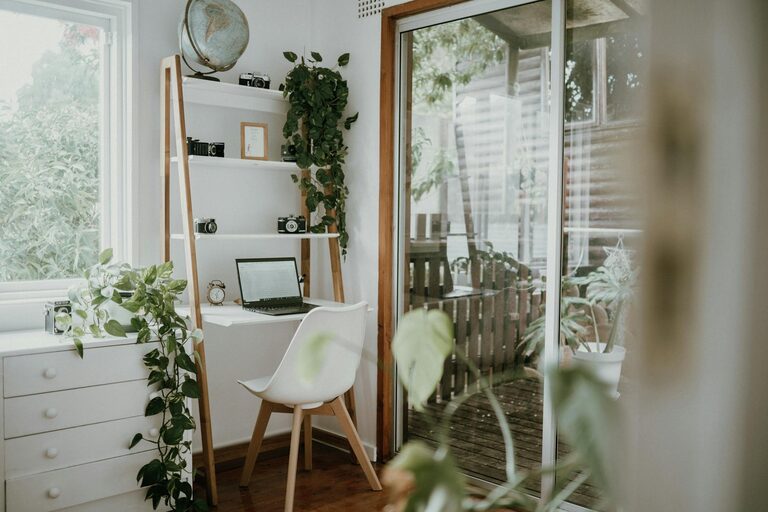
Creating a relaxing home workspace is essential for maintaining productivity and well-being when working remotely. A thoughtfully designed environment not only helps reduce stress but also boosts your focus and motivation throughout the day. In this post, we’ll explore practical tips to create a calm, inviting workspace that supports your daily tasks.
Why a Relaxing Workspace Matters
When your workspace feels cluttered or uncomfortable, it can negatively impact your concentration and energy. Conversely, a well-organized and peaceful setting encourages productivity by minimizing distractions and creating a positive mindset for work.
Choose the Right Location
Start by selecting a dedicated area in your home where you can work consistently. Ideally, this space should be quiet and have plenty of natural light.
– Quiet corners: Avoid high-traffic areas like the kitchen or living room if possible.
– Natural light: Sitting near a window can improve mood and reduce eye strain.
– Away from distractions: Keep the workspace separate from entertainment zones to help maintain focus.
Invest in Comfortable Furniture
A comfortable and ergonomic office setup reduces physical discomfort, allowing you to work longer without fatigue.
– Chair: Choose an adjustable chair with good lumbar support.
– Desk: Pick a desk at the right height to keep your arms and wrists in a neutral position.
– Accessories: Consider an adjustable monitor stand or keyboard tray to improve posture.
Declutter and Organize Your Space
A tidy workspace promotes mental clarity and minimizes distractions.
– Minimal essentials: Keep only items you need frequently on your desk.
– Storage solutions: Use shelves, drawers, or organizers to keep papers and supplies out of sight.
– Cable management: Use clips or sleeves to tame cords and prevent mess.
Incorporate Calming Colors and Decor
Colors and decor can influence mood and energy levels.
– Soft colors: Shades like light blue, green, or neutrals tend to be calming.
– Nature elements: Add plants or flowers to bring life and a sense of tranquility.
– Personal touches: Include simple art or photos that inspire without overwhelming the space.
Manage Lighting Effectively
Proper lighting reduces eye strain and helps regulate your body’s natural rhythms.
– Balanced light: Combine natural light with soft artificial lighting.
– Adjustable lamps: Use desk lamps with adjustable brightness for focused tasks.
– Avoid glare: Position your screen and lights to minimize reflections.
Incorporate Relaxation Tools
Small additions can encourage regular breaks and reduce stress.
– Aroma: Use essential oil diffusers or scented candles (if allowed) with calming scents like lavender.
– Sound: Consider soft background music or white noise machines to mask distractions.
– Comfort items: Keep a cozy blanket or cushion nearby for comfort during rest times.
Establish Boundaries and Routine
Creating clear work habits is as important as the physical space.
– Set work hours: Define when you start and stop work to avoid burnout.
– Breaks: Schedule short breaks to stretch, breathe deeply, or take a walk.
– End-of-day ritual: Have a clear routine that signals the end of your workday, such as tidying up your desk.
Keep Technology in Check
Manage your devices to support, not disrupt, your workflow.
– Notifications: Turn off non-essential alerts during work time.
– Device placement: Keep phones out of immediate reach if they tend to distract you.
– Backing up: Regularly save your work and organize files for easy access.
Personalize Without Overwhelming
Your workspace should feel inviting but not cluttered.
– Add a few meaningful accessories, like a favorite mug or inspiring quote.
– Avoid overcrowding the desk; maintain open space for comfort and creativity.
Conclusion
Designing a relaxing home workspace is a key step in enhancing productivity while working from home. By choosing the right location, investing in ergonomic furniture, organizing your area, and incorporating calming elements, you create an environment that supports focus and reduces stress. Remember to balance personalization with functionality, and establish routines that help separate work from rest. With these tips, you’ll build a workspace where productivity and relaxation go hand in hand.
Happy working!